
Religious Education
Religious Education
INTENT
At St Thomas More Catholic Primary School, Religious Education is central to our mission and Catholic identity. Rooted in the life and teachings of Jesus Christ, we aim to help every child understand and experience the love of God and recognise that they are loved, valued and uniquely created by God.
Our RE curriculum aims to develop children who:
-
develop a deepening knowledge and understanding of the Catholic faith, Scripture, prayer and the life of the Church;
-
come to know Jesus better through learning, worship and the daily life of the school;
-
develop their spirituality and a sense of awe, wonder and mystery;
-
recognise their own uniqueness, dignity and worth;
-
understand how Gospel values can guide the way they live;
-
develop a commitment to love, forgiveness, respect, empathy and service;
-
ask questions, think critically and reflect deeply on their own experiences and those of others;
-
develop respect and tolerance for people with different religious beliefs and world-views;
-
understand the responsibilities, obligations and joys of belonging to the Catholic community.
Our RE curriculum is designed to enable every child to flourish academically, spiritually, socially and emotionally and to become the person God created them to be.
IMPLEMENTATION
Religious Education is taught as a rigorous academic discipline, with the same commitment, high expectations and resourcing as other curriculum subjects. Our programme provides a systematic presentation of the Christian way of life that is appropriate to each child's stage of development.
The Religious Education Directory (RED) for Catholic Schools provides the foundation for our RE programme. We allocate 10% of curriculum time to RE, ensuring that children have regular and substantial opportunities to develop their religious knowledge and understanding.
Teaching and learning is varied and engaging. Children are given opportunities to:
-
explore and interpret Scripture;
-
ask and answer questions;
-
discuss and reflect on their experiences;
-
investigate and research;
-
use art, music, drama and role-play;
-
write, draw and record their learning;
-
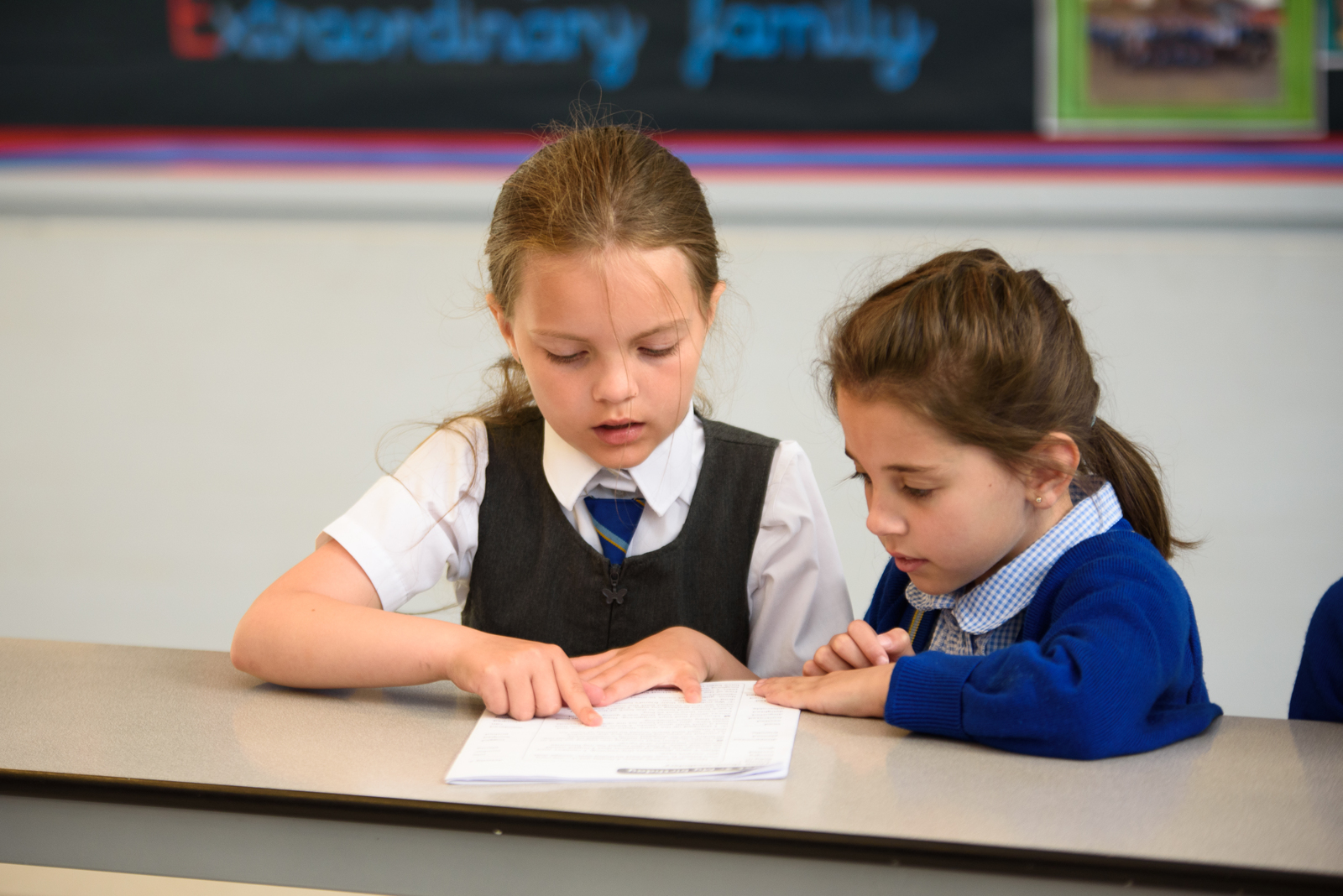
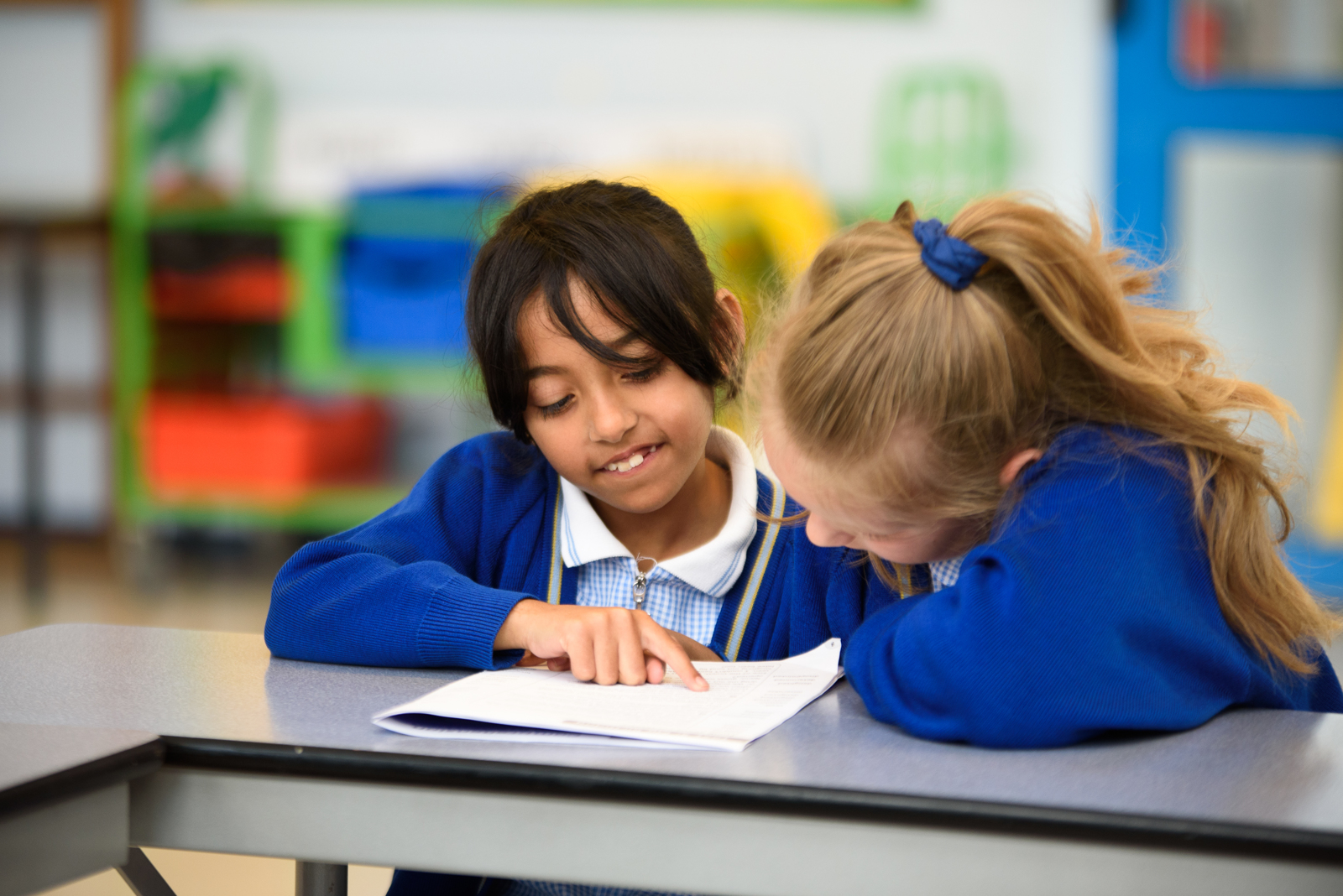
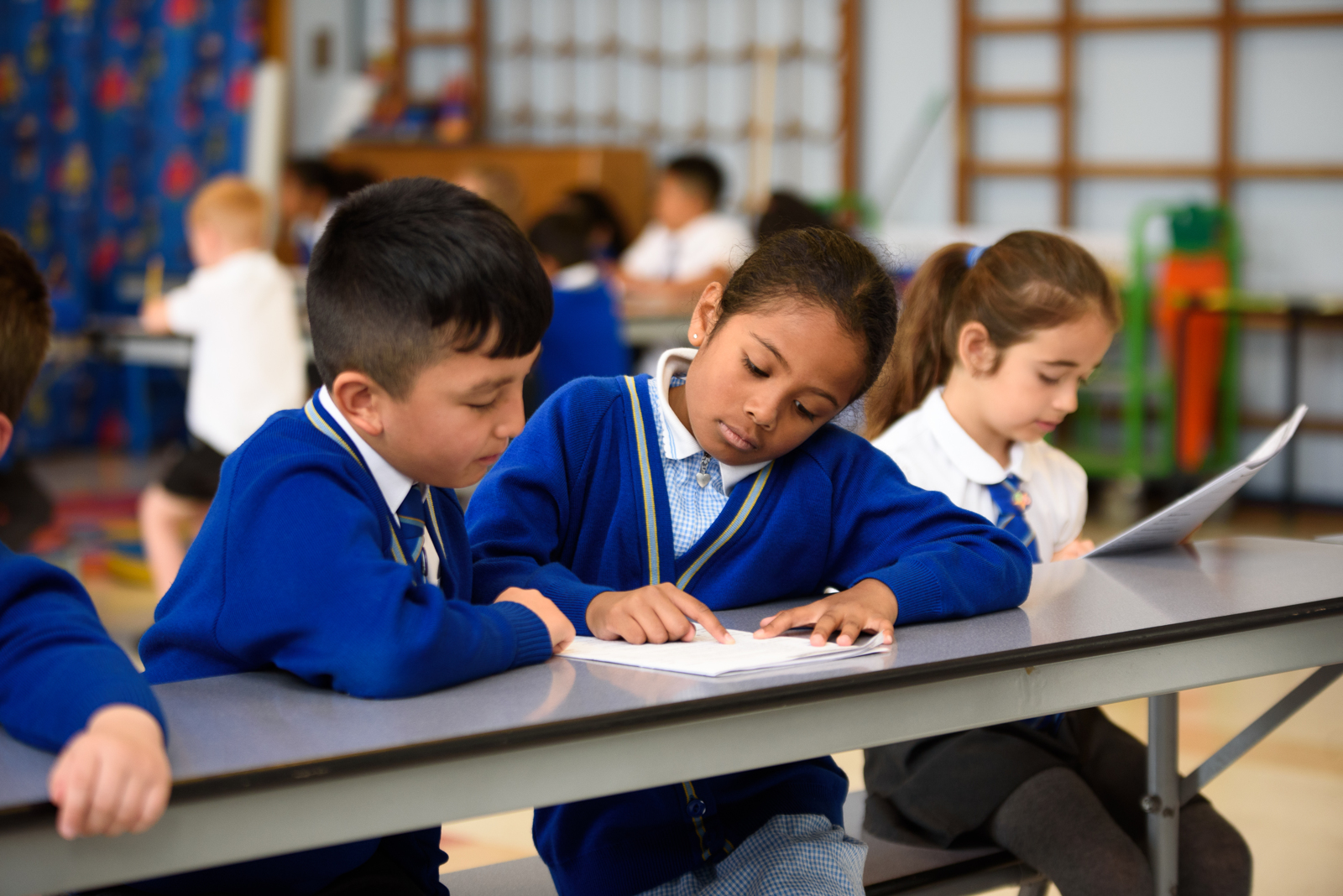
work independently, collaboratively and in groups;
-
meet visitors and share experiences;
-
participate in prayer, worship and celebrations;
-
make links between RE and other areas of the curriculum.
We aim to balance practical and investigative activities with teacher-led learning and provide opportunities for children to express themselves freely and reflect deeply.
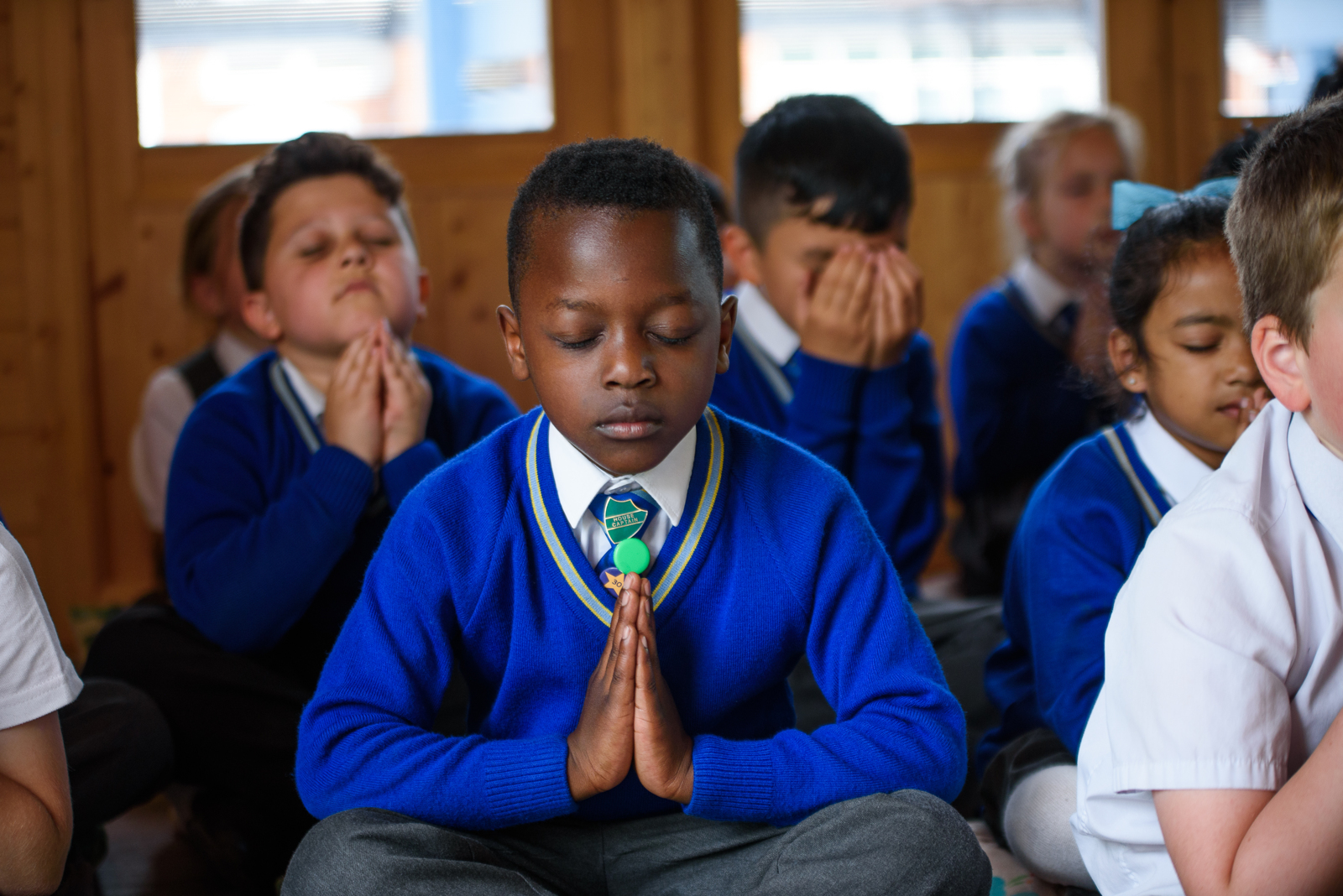
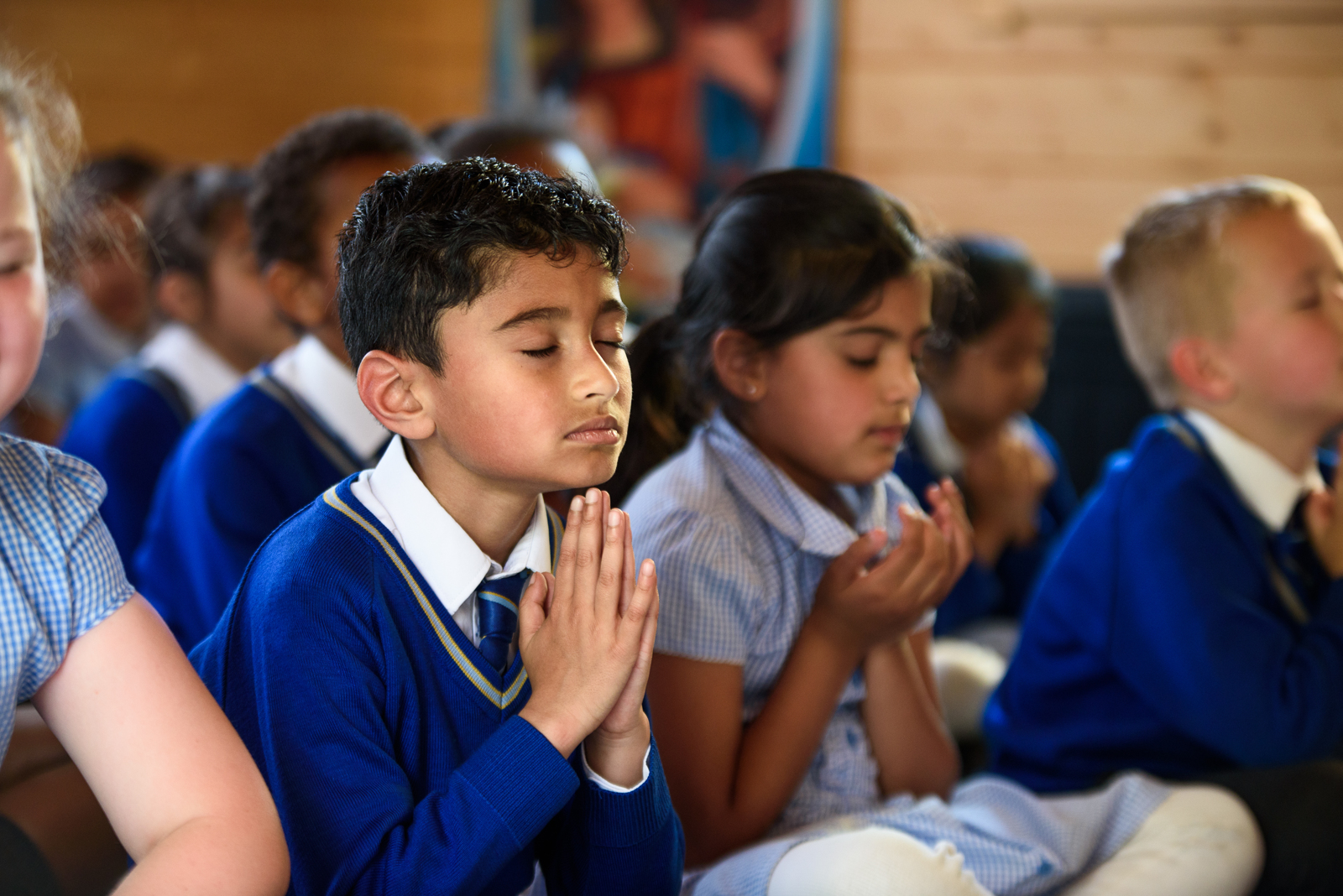
Prayer and Liturgy complement the RE curriculum and are an integral part of school life. Children encounter Scripture and Gospel values through weekly Gospel assemblies, class prayer and reflection, liturgies and Masses. Every classroom has a Prayer Table which provides a focal point for prayer and reflection.
The Sacraments are explored through age-appropriate RE topics, while children are prepared for Reconciliation and Holy Communion through their parish.
ASSESSMENT, MONITORING, RECORDING AND REPORTING
Assessment is used to support children's progress and inform future teaching. As the new RED curriculum is implemented, we are currently trialling an assessment toolkit to support teachers in assessing children's learning throughout each unit.
Assessment is three-dimensional, recognising the whole child and using a range of evidence, including:
-
written work;
-
verbal responses and discussion;
-
teacher observation;
-
practical activities;
-
artwork and creative responses;
-
drama and role-play;
-
prayer and reflection.
Both formative and summative assessment are used. Teachers use assessment information to inform daily and weekly planning and children are encouraged to reflect on and evaluate their own academic progress and spiritual development. Peer and self-assessment are also developing as important parts of the assessment process.
The RE Leader and Headteacher monitor RE on a rolling programme, including teaching and learning, the quality of worship, prayer corners and displays, curriculum time and recorded work. Planning and assessment are also scrutinised to support ongoing development.
OTHER FAITHS
We want our children to understand and respect the diverse religious and non-religious world in which they live. Alongside developing their understanding of the Catholic Church's relationship with other faiths, religions and world-views, pupils undertake a discrete study of other faiths, religions and world-views during Summer 2. As children progress through the school, they encounter: Other Christian denominations, Judaism, Islam, Dharmic religions and pathways.
CLASSROOM ENVIRONMENT
We aim to create RE classrooms where children feel safe, valued, curious and confident to ask questions and express their ideas. Each classroom has a dedicated Prayer Table, providing a sacred focal point for prayer, reflection and classroom liturgy. Junior Chaplains help to set up and maintain these spaces, supporting children to take an active role in the prayer life of their class. RE displays, resources and children's work help to celebrate learning and make the Catholic faith visible throughout the school.
IMPACT
Through our RE curriculum, we aim for children to leave St Thomas More with a strong and developing knowledge of the Catholic faith, alongside a growing understanding of Scripture, prayer, the Church and the Sacraments.
We want children to:
KNOW
Develop secure knowledge and understanding of the Catholic faith, Jesus, Scripture, the Church and the wider religious world.
UNDERSTAND
Make connections between their learning, their own lives, the lives of others and the wider world.
REFLECT
Develop their spirituality and ability to reflect on questions of faith, meaning, awe, wonder and mystery.
LIVE
Put Gospel values into practice through love, forgiveness, respect, empathy and service.
RESPECT
Appreciate diversity and demonstrate respect and tolerance towards people with different religious beliefs and world-views.
PARTICIPATE
Become active members of their school, parish and wider communities through prayer, worship and service.

Ultimately, our impact is seen in children who are growing in faith, wisdom, confidence, compassion and understanding, and who are increasingly able to recognise their God-given dignity and use their gifts to make a positive difference to others and to the world around them.